Layered Narratives Shaping User Retention in Mobile Reel Entertainment Systems
Sam Friedrich · Nov 21, 2026

Layered Narratives Shaping User Retention in Mobile Reel Entertainment Systems
Portable reel entertainment formats rely on multiple storytelling layers that build character development, world-building elements, and progressive plot arcs across gaming sessions, and these components connect directly to measurable shifts in session duration along with repeat engagement rates. Researchers at various institutions have documented how integrated themes encourage users to return by creating continuity between individual spins and larger narrative milestones. Data from industry reports indicates that formats incorporating sequential story reveals maintain higher average play intervals compared to those using static symbols alone.
Core Components of Thematic Layering
Thematic layers typically include visual motifs that evolve over time, audio cues tied to character progression, and reward structures that unlock new chapters in an ongoing story, while each element operates independently yet reinforces the others to form a cohesive experience. Studies conducted by academic groups show that when these layers align with user expectations around familiarity and surprise, session completion rates increase noticeably. Observers note that reel formats using persistent character backstories often see patterns where players advance through levels at predictable intervals, creating feedback loops that sustain activity without requiring external prompts.
One analysis from a North American university research team examined retention across several mobile formats and found correlations between narrative depth and weekly return visits, particularly when story branches responded to accumulated wins or losses. Such systems allow players to influence minor plot outcomes through repeated interactions, which in turn affects how frequently individuals open the application on subsequent days. Evidence suggests these mechanics distribute engagement more evenly rather than concentrating activity in isolated bursts.
Retention Data and Measurement Approaches
Analytics platforms tracking portable reel usage record retention through metrics such as day-one return rates, seven-day active user counts, and lifetime session totals, and these figures reveal consistent advantages for titles that embed storytelling progression. A report issued by the Nevada Gaming Control Board in late 2025 highlighted how formats with multi-chapter themes outperformed simpler designs in cross-device continuity, especially when users switched between tablets and phones mid-session. Figures from that dataset indicated average increases in monthly active periods when narrative checkpoints aligned with daily login rewards.
Geographic Variations in Implementation
Developers in different regions apply thematic layers according to local regulatory frameworks and audience preferences, whereas European operators often emphasize historical or mythological arcs while North American versions incorporate contemporary franchise tie-ins. Australian research institutions have published findings on how culturally specific symbols within reel stories influence longer-term habit formation among users. These variations demonstrate that retention patterns depend not only on story quality but also on how well layers adapt to regional expectations around pacing and reward frequency.
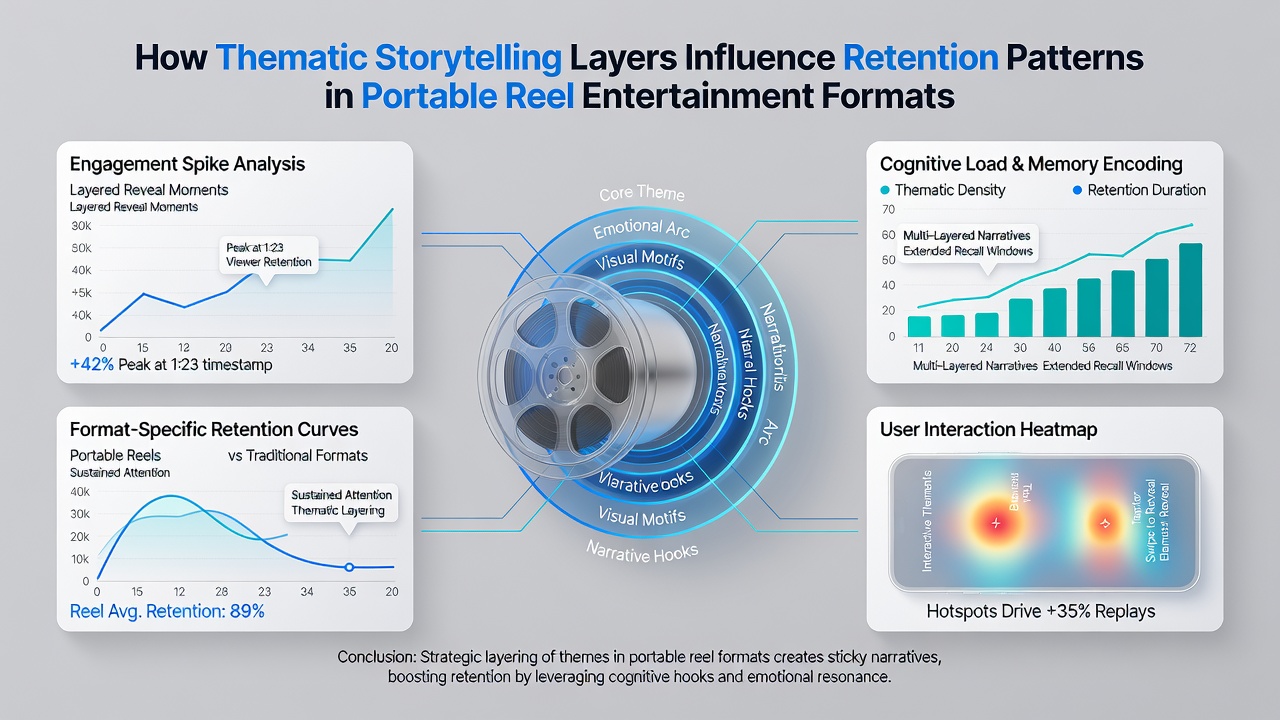
What's interesting is how integration of secondary story threads, such as side character developments or environmental changes, extends engagement windows beyond initial novelty periods. Data collected through platform APIs shows that users who unlock at least three narrative tiers within the first week exhibit significantly higher probabilities of maintaining activity through the following month. Industry organizations like the Canadian Gaming Association have compiled comparative studies across multiple markets, confirming that layered approaches reduce early churn when combined with adjustable difficulty in story advancement.
Technological Enablers and November 2026 Outlook
Advancements in cloud-based save systems and cross-platform synchronization allow thematic progress to persist across devices, and these capabilities become increasingly relevant as hardware updates scheduled for November 2026 introduce improved rendering for animated story sequences. Projections from research papers indicate that enhanced graphical fidelity will support more intricate plot layers without increasing load times, potentially amplifying the retention effects already observed in current formats. Experts tracking these developments point to ongoing trials where dynamic storytelling responded to real-time user behavior, producing measurable lifts in session depth.
Yet implementation challenges persist around balancing narrative complexity with accessibility, since overly dense story elements can deter casual users who prefer quicker interactions. Reports from the Malta Gaming Authority document cases where simplified layer options within the same title boosted overall retention by accommodating different engagement styles. Such adaptations demonstrate that flexible storytelling frameworks accommodate broader audiences while preserving core retention mechanisms for dedicated players.
Conclusion
Portable reel entertainment continues to evolve through the strategic deployment of thematic storytelling layers that influence how users structure their time within these formats. Available data from regulatory bodies and academic sources consistently links narrative continuity to extended retention metrics across varied markets. As technological updates approach in November 2026, further refinements in story delivery systems will likely expand the observable patterns already established in current implementations. Those monitoring industry trends note that success hinges on precise calibration of layer depth to match documented user behaviors rather than uniform application across all titles.